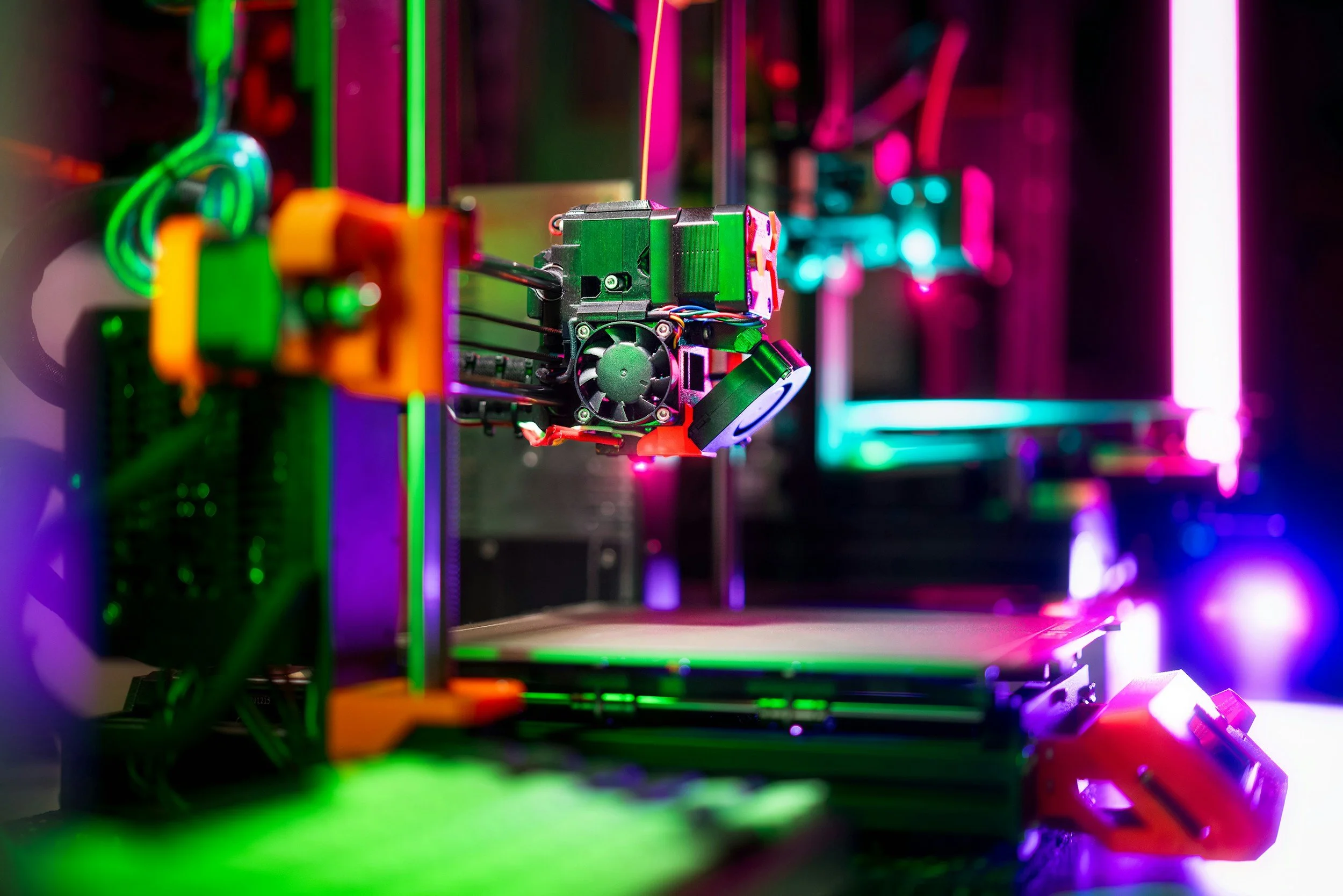
Designed for the demands of the built environment.
Current Developments
We arecurrently bridging the gap between theoretical science and site-ready application. Our R&D pipeline is focused on three high-impact verticals, each designed to solve a specific failure point in the modern construction lifecycle.
Material Intelligence - Structural
Advanced Low-Carbon Binders & Composites
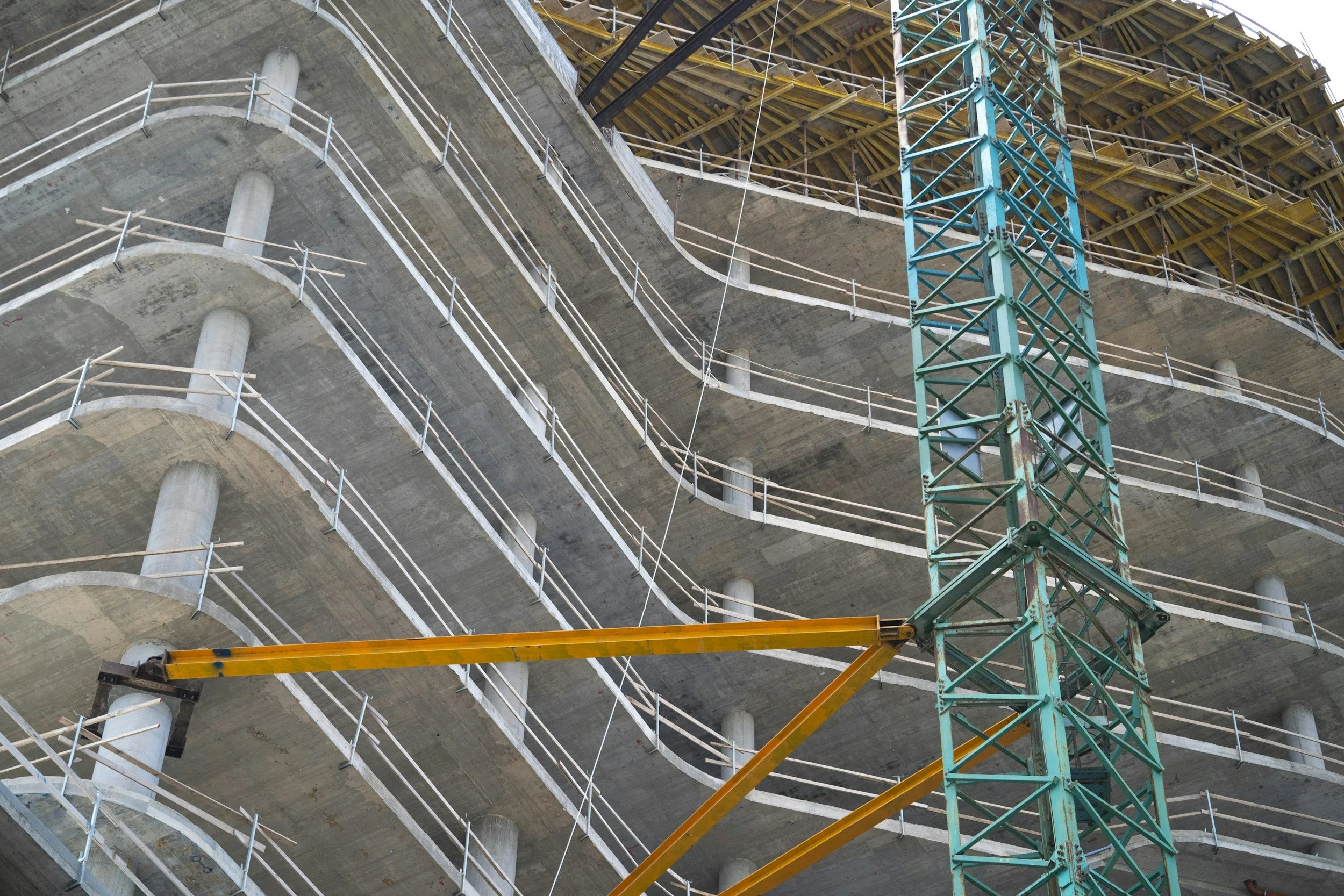
Current construction relies on carbon-intensive chemistry that hasn't evolved in decades. Our Material Intelligence program is re-engineering structural integrityat the molecular level. We are developing proprietary formulations that deliver higher tensile strength and faster curing times while maintaining a 40% lower carbon footprint than industry-standard cementitious materials.
Current Focus
Molecular stabilization for extreme-environment durability (high salinity/thermal stress).
Target
A 100-year design life binder that achieves 75% of its structural strength within 24 hours.
Autonomous Execution - Machinery
Precision Robotics & Multi-Tasking Site Systems
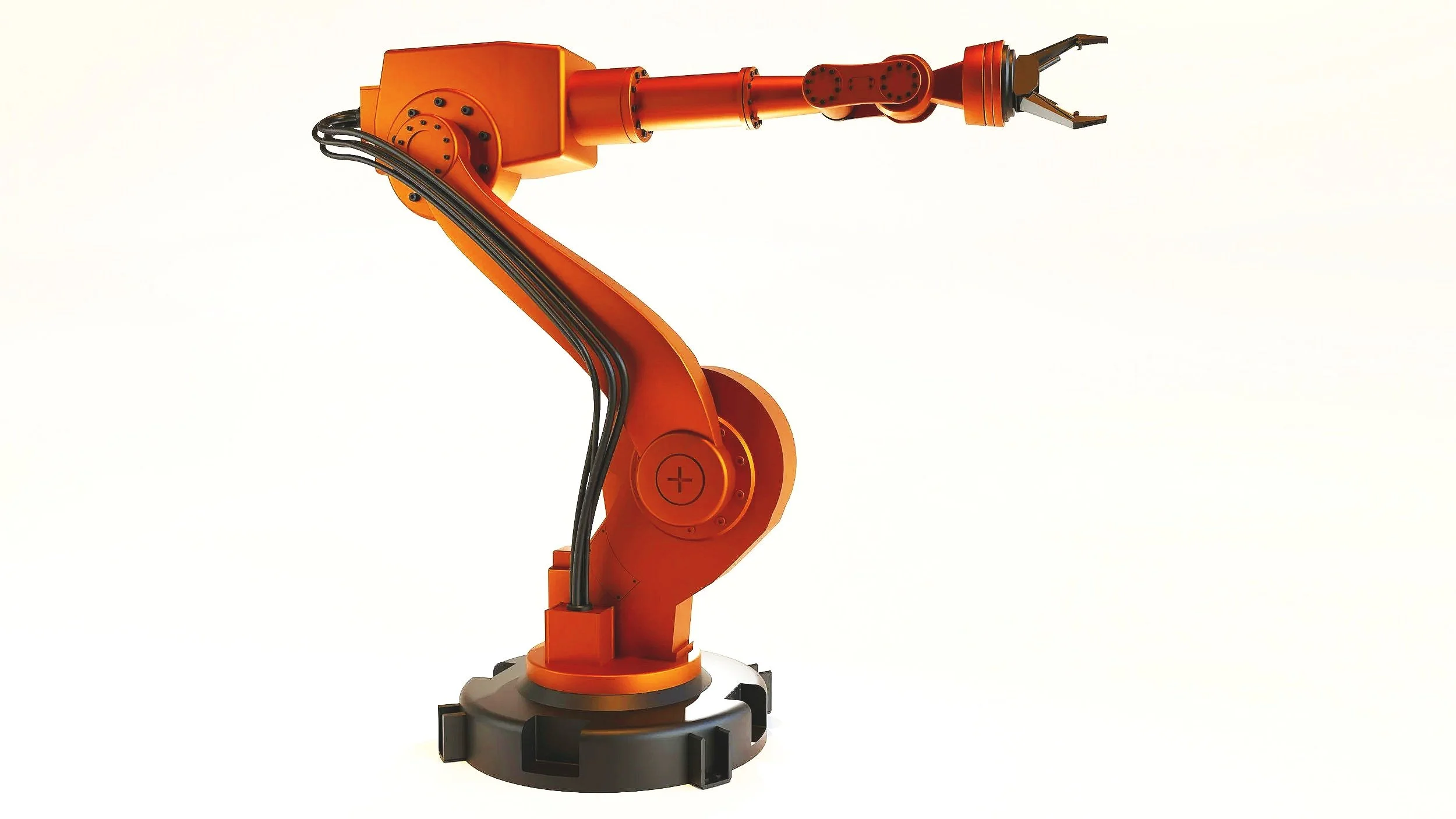
The "Execution Gap" is where projects lose time and money. Our machinery division is prototyping specialized, multi-axis robotic systems designed to automate the most repetitive and high-risk tasks on a job site. By transitioning from manual labor to Autonomous Execution, we are targeting a 50% reduction in site deployment time, enabling 24/7 construction cycles that remain unaffected by labor shortages or human fatigue.
Current Focus
End-effector precision for automated, high-speed structural finishing.
Target
A modular robotic suite that can be deployed and operate with sub-millimeter accuracy.
Digital Fidelity - Software
The BRIL NeuralDesign Synchronization Engine
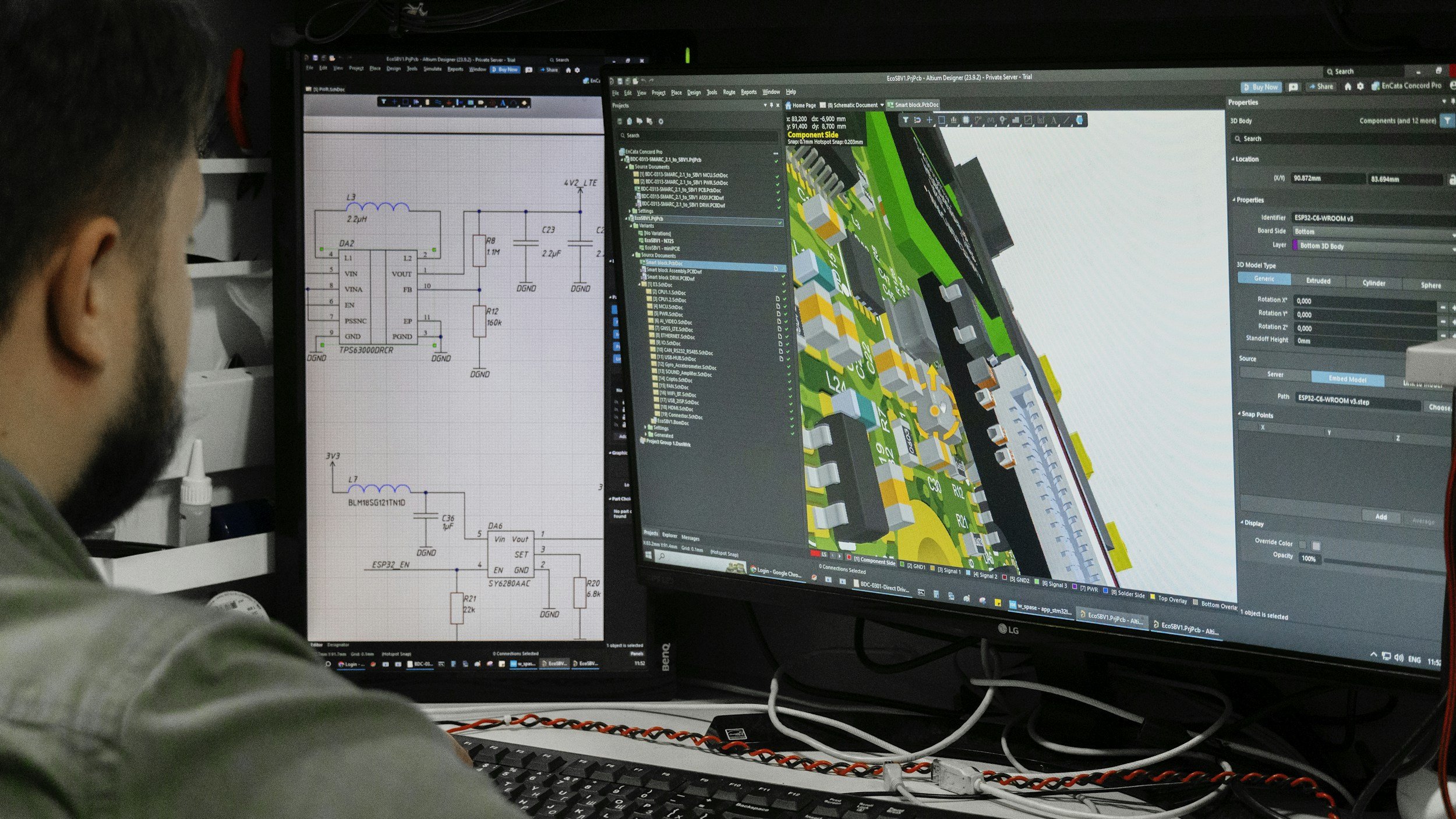
Discrepancies between "As-Designed" and "As-Built" cost the construction industry billions annually in rework and litigation. We are developing a proprietary digital oversight engine—the BRIL Neural Engine—to bridge this gap.
This system does more than just read data, it archives and synchronizes the evolution of a project. The Neural Engine automatically tracks every drawing revision, comparing new blueprints against historical data to identify conflicts before they reach the hardware. By maintaining a "Living Digital Twin," we ensure that we are always synchronized with the most current and accurate data.
Current Focus
AI-driven change detection, historical drawing reconciliation, and real-time "Design-to-Site" data synchronization.
Target
A zero-latency feedback loop that flags architectural discrepancies and version conflicts before the first stone is laid, maintaining a 99.8% design accuracy rate.
Investment & Laboratory Development
To accelerate the transition from Alpha-stage software to full-scale site integration, BRIL is currently seeking £2,000,000 (GBP) in seed-round funding. This capital will be deployed to expand our UK-based laboratory facilities, scale our computational AI models, and finalize the integration of the Neural Engine with our Autonomous Execution hardware.



Our Process: From Lab to Landmark
Our research follows a strict four-stage pipeline. This ensures that every material, motor, and line of code is tested, refined, and validated before it ever reaches a live construction site.
Discovery & Synthesis - The Lab
Everything starts in our UK-based laboratories. We begin by breaking down the chemical and mechanical challenges of a project.
Digital Simulation
Before we build a physical prototype, we "build" it in our Neural Engine. We run millions of virtual simulations to see how our materials react to stress or how our robots move in tight spaces.
Prototyping & Stress Testing
Once the digital model is perfect, we create a physical prototype. We put our materials in chambers (extreme heat, cold, and pressure) and run our robotic arms for thousands of hours to ensure they never fatigue.
Field Validation
The final stage is the Pilot Program. We take our technology to controlled environments that mimic real-world sites. This is where we confirm our 99.8% accuracy and 50% speed metrics in real-time.
R&D Controls